Memory
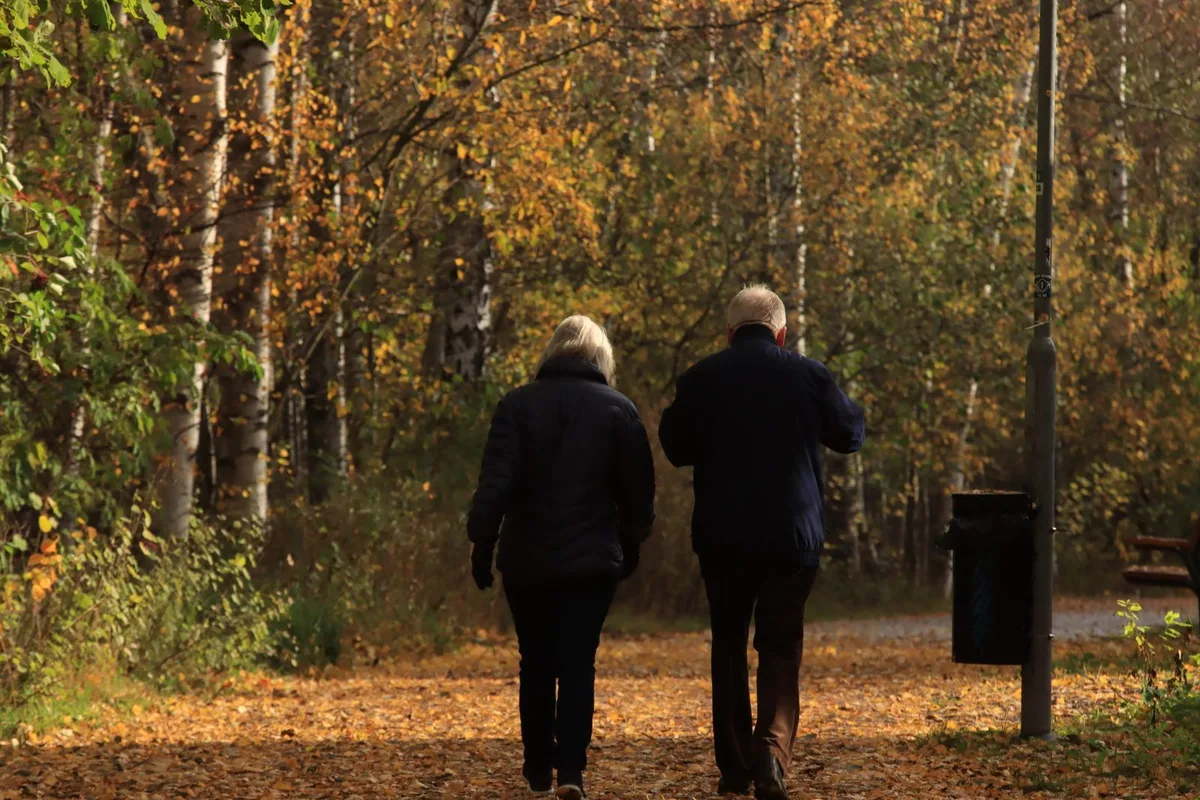
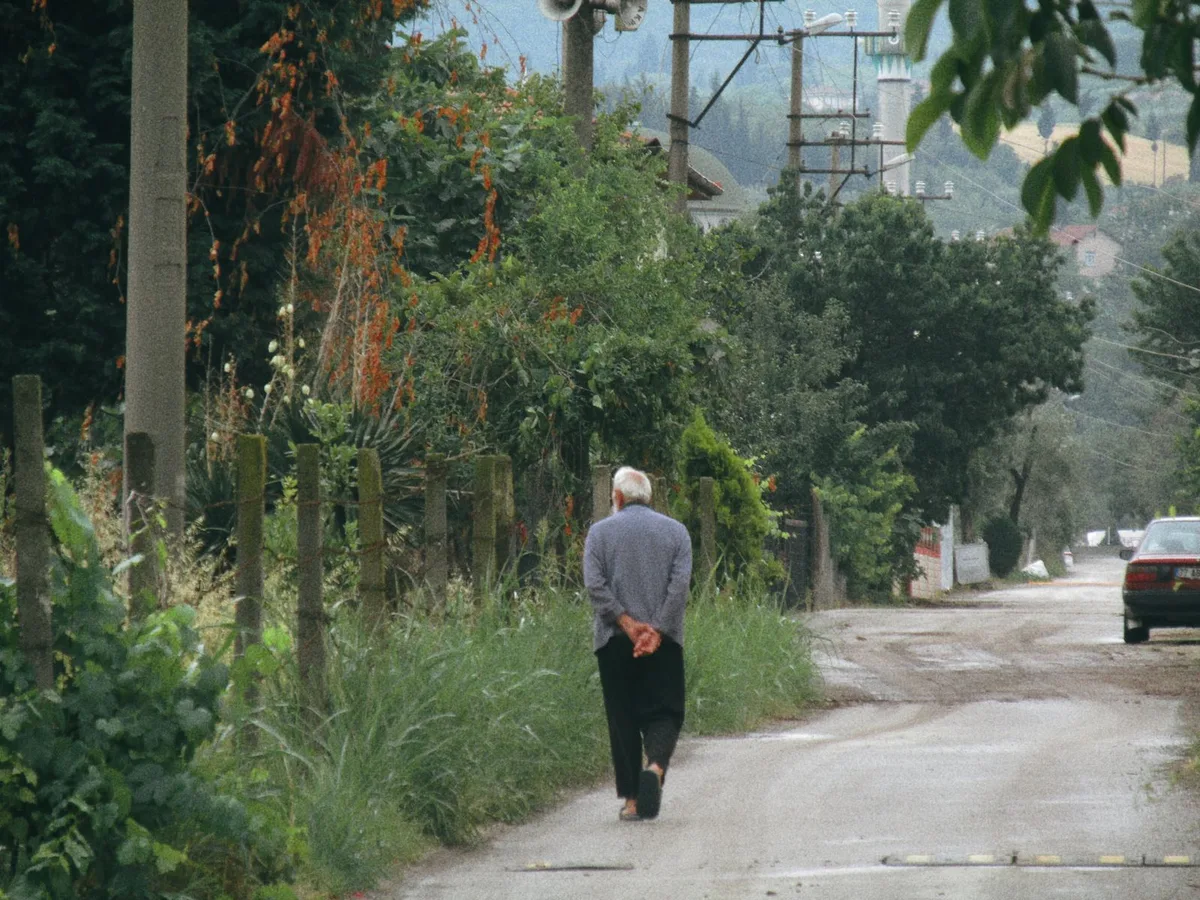
Walking and your brain: why a brisk walk may help memory
Regular brisk walking is linked to better brain health and memory as we age. Here is how much may help and easy ways to get started.
A reader magazine, not the official store. Nothing is sold here.
NeuroDyne Insider is a reader health library about nerve health after 50: tingling and burning feet, balance, the vitamins nerves depend on and gentle daily routines, explained in plain language.
Featured
BreathingGetting winded on a flight of stairs is common after 50. Here is why it happens, how to pace yourself and which signs mean a call to your doctor.
How your nerves work, in plain language
Staying steady on your feet
The vitamins and foods nerves run on
Short routines you can do at home
Common questions, answered plainly
Small habits for a steadier start
One week, one small change
What the evidence actually says
Low-sugar drinks and breakfasts
Composite stories from common experiences
Why it's stubborn and what actually helps
Same comfort, fewer calories
What changes after 40, explained
The inside story on your weight
Energy, drive and confidence
Keep the muscle you have
Good blood flow, head to toe
What's true, what's hype
Food that works as hard as you do
Why sleep changes after 50
The small swings that add up
What is normal, what helps
Move more easily, every day
What really changes after 50
Easier breathing, explained
Ears, sound and the brain
Your eyes after 50
Regular brisk walking is linked to better brain health and memory as we age. Here is how much may help and easy ways to get started.
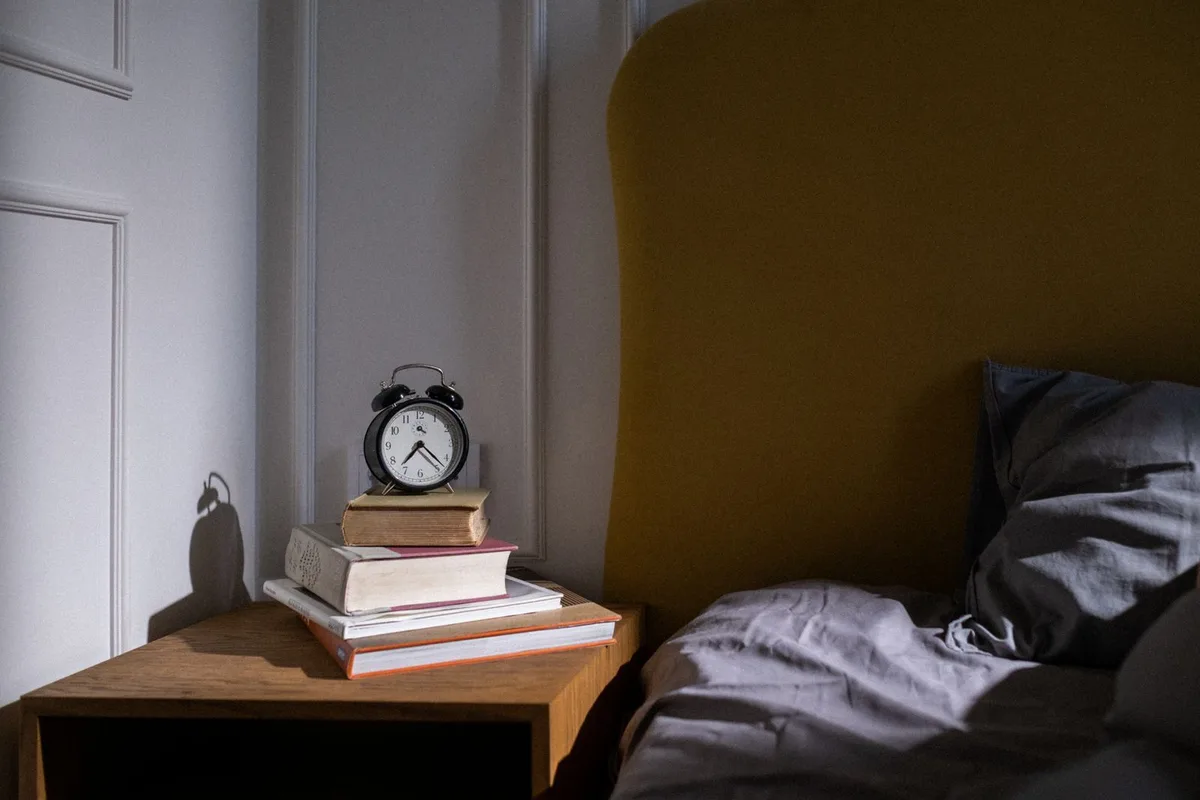
Get outside or by a bright window within an hour of waking, seven days in a row. Here is a simple plan and what you may notice.
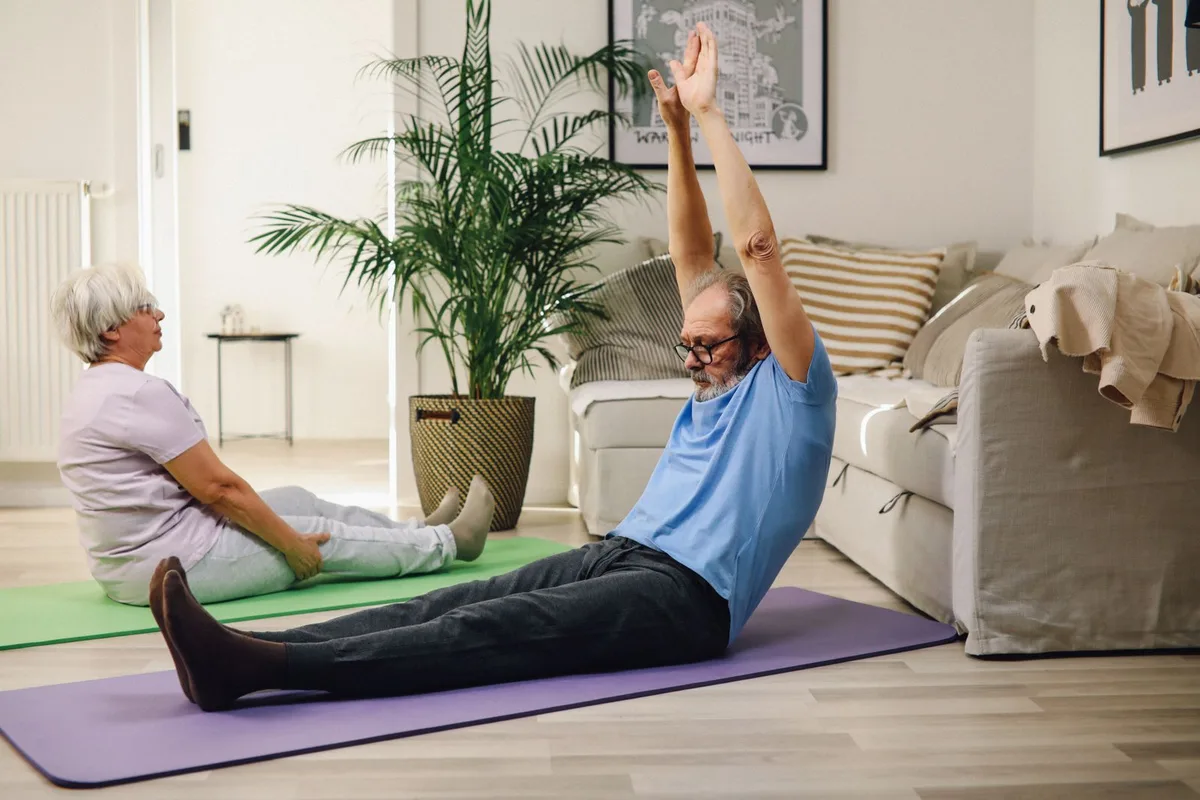
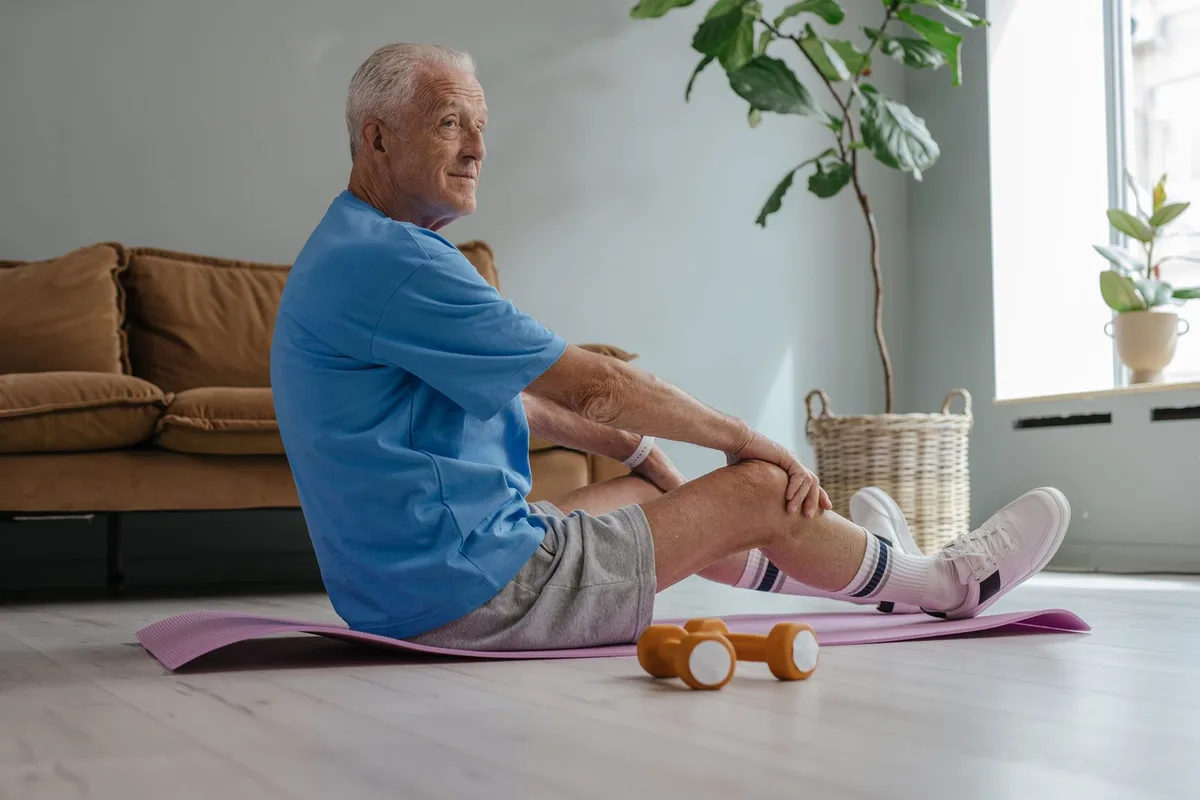
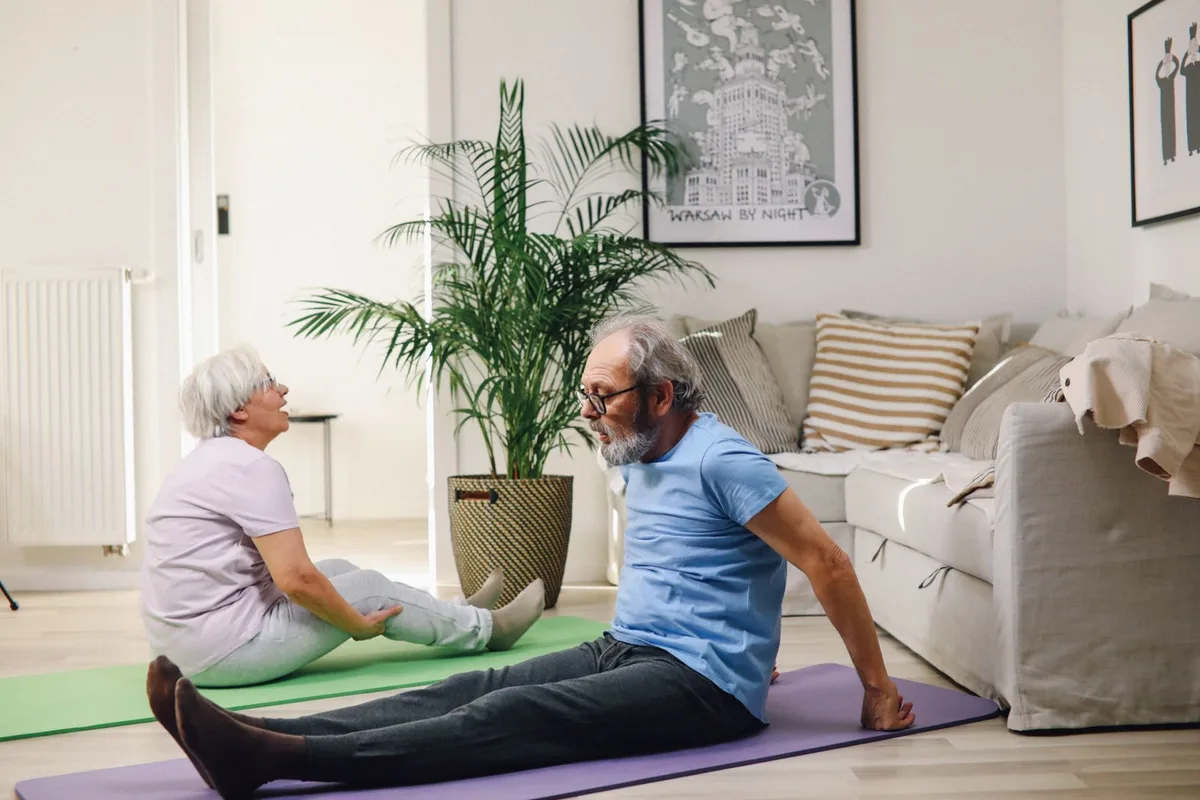
A short, gentle stretch routine every morning for one week. A day-by-day plan for stiff mornings and what to notice as you go.
Cold feet in a warm room is a question we hear often. Here are the most common reasons, from circulation to nerves, and what may help.
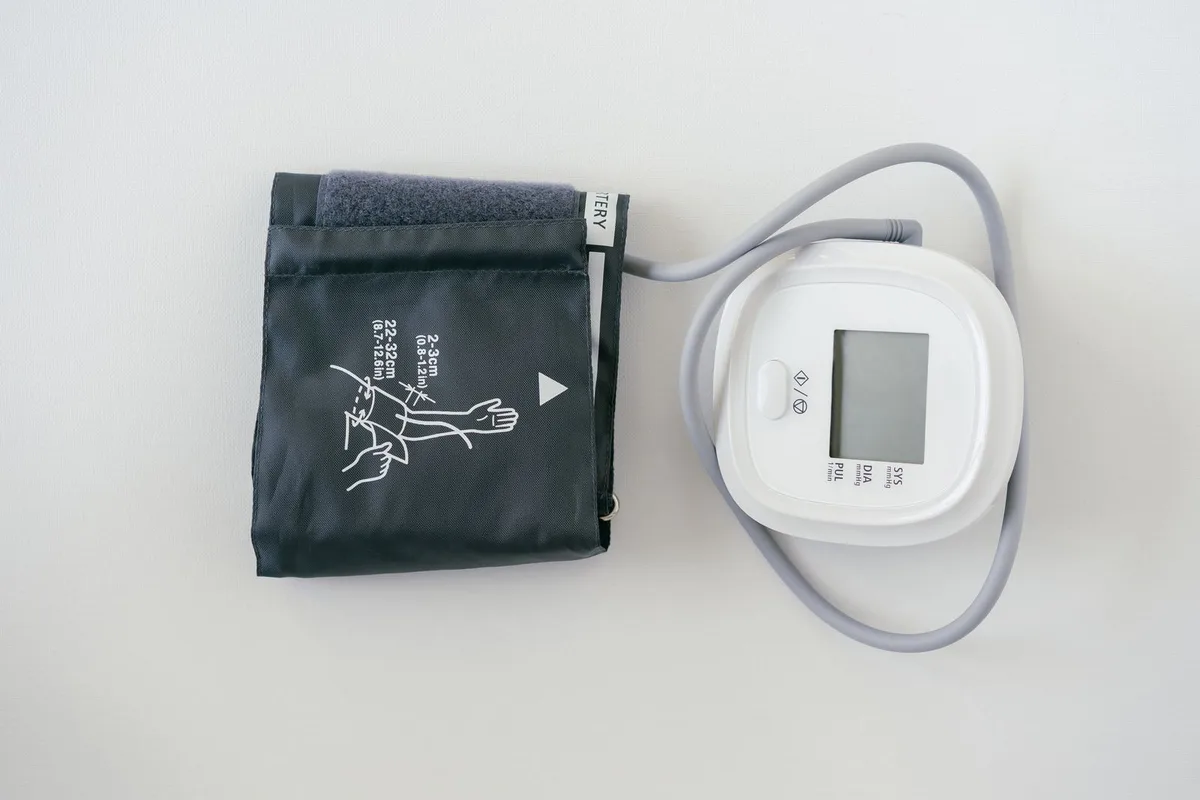
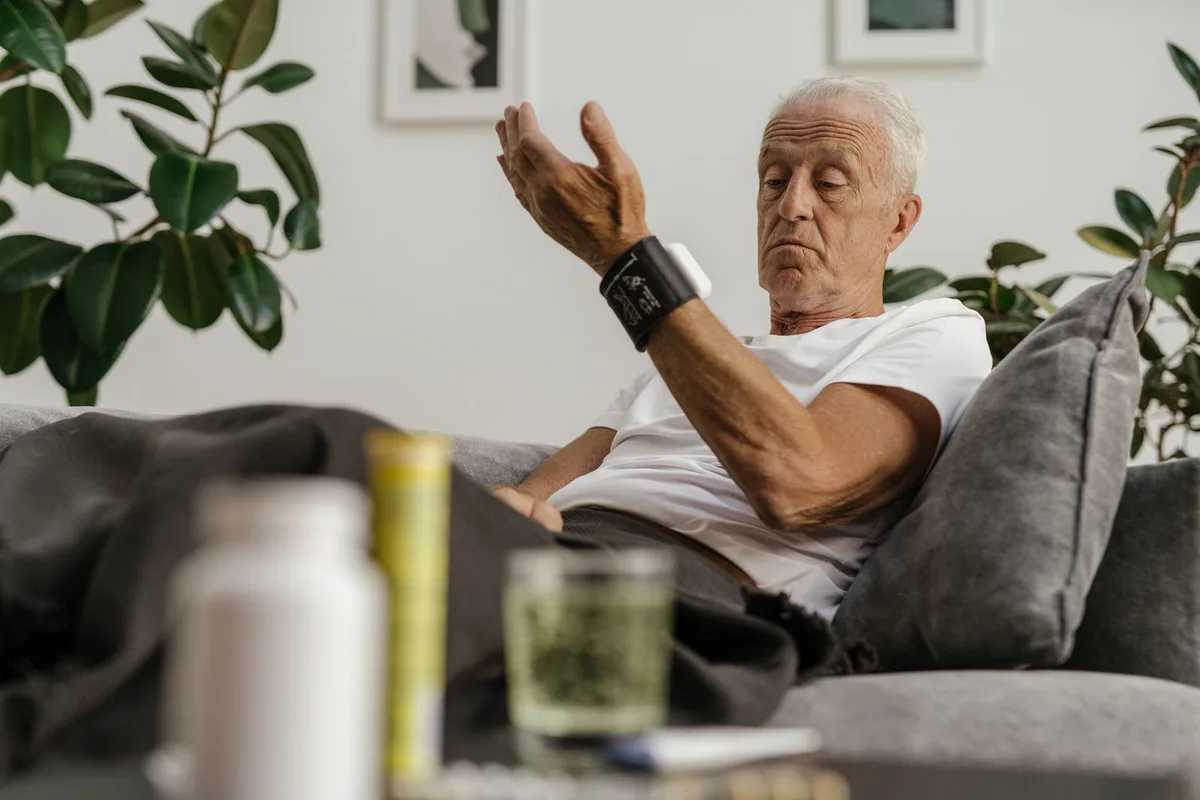
Small mistakes can push a home blood pressure reading up by several points. Here is how to measure it the right way, step by step.
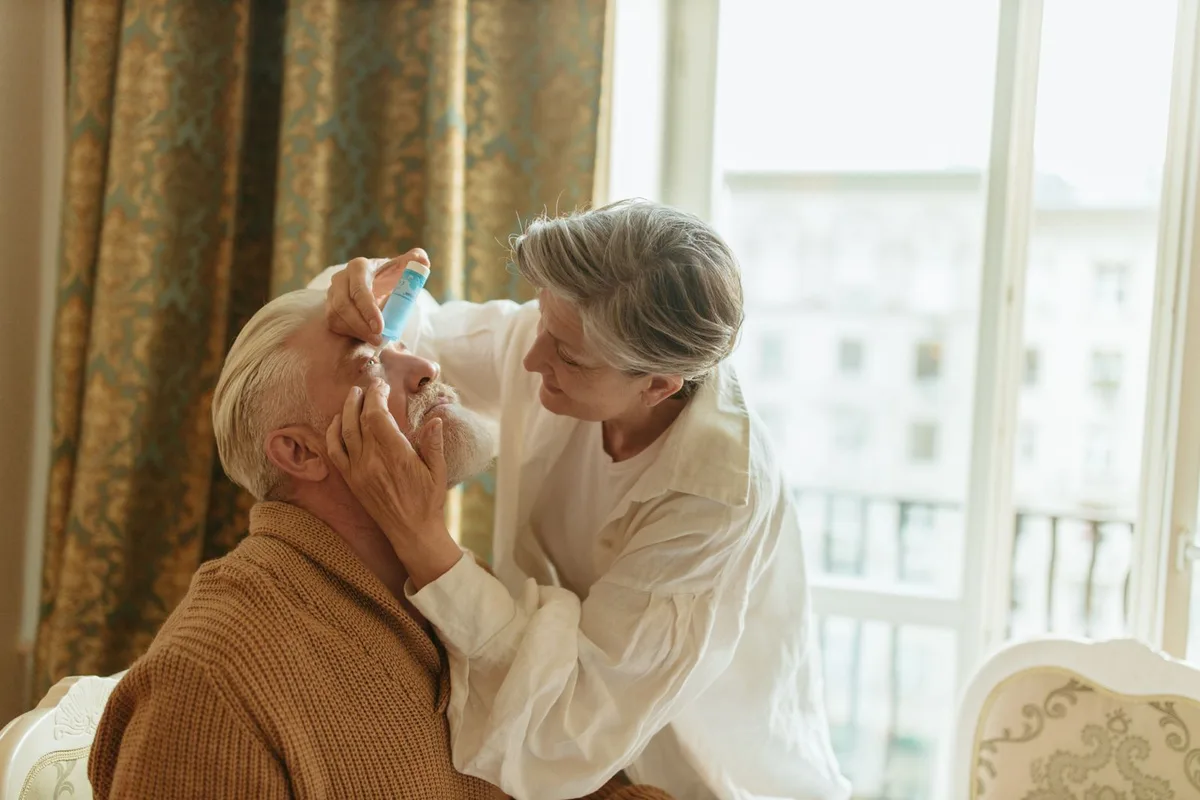
Tears change with age, and indoor heat, fans and screens make it worse. Here is why your eyes feel gritty and the everyday habits that may help.
How your nerves work, in plain language
The vitamins and foods nerves run on
Short routines you can do at home
Common questions, answered plainly
Small habits for a steadier start
One week, one small change
What the evidence actually says
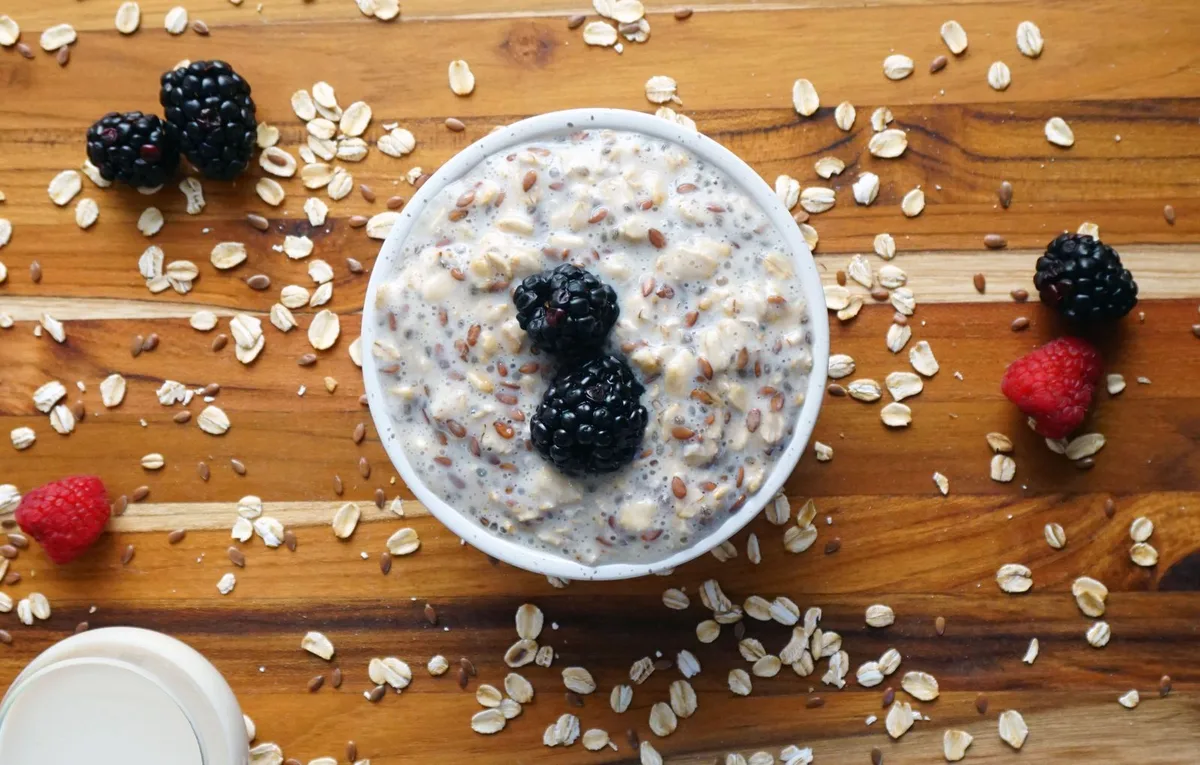
Low-sugar drinks and breakfasts
Composite stories from common experiences
Why it's stubborn and what actually helps
Same comfort, fewer calories
What changes after 40, explained
The inside story on your weight
Energy, drive and confidence
Keep the muscle you have
Good blood flow, head to toe
What's true, what's hype
Why sleep changes after 50
The small swings that add up
What is normal, what helps
Move more easily, every day
What really changes after 50
Easier breathing, explained
Ears, sound and the brain
Your eyes after 50