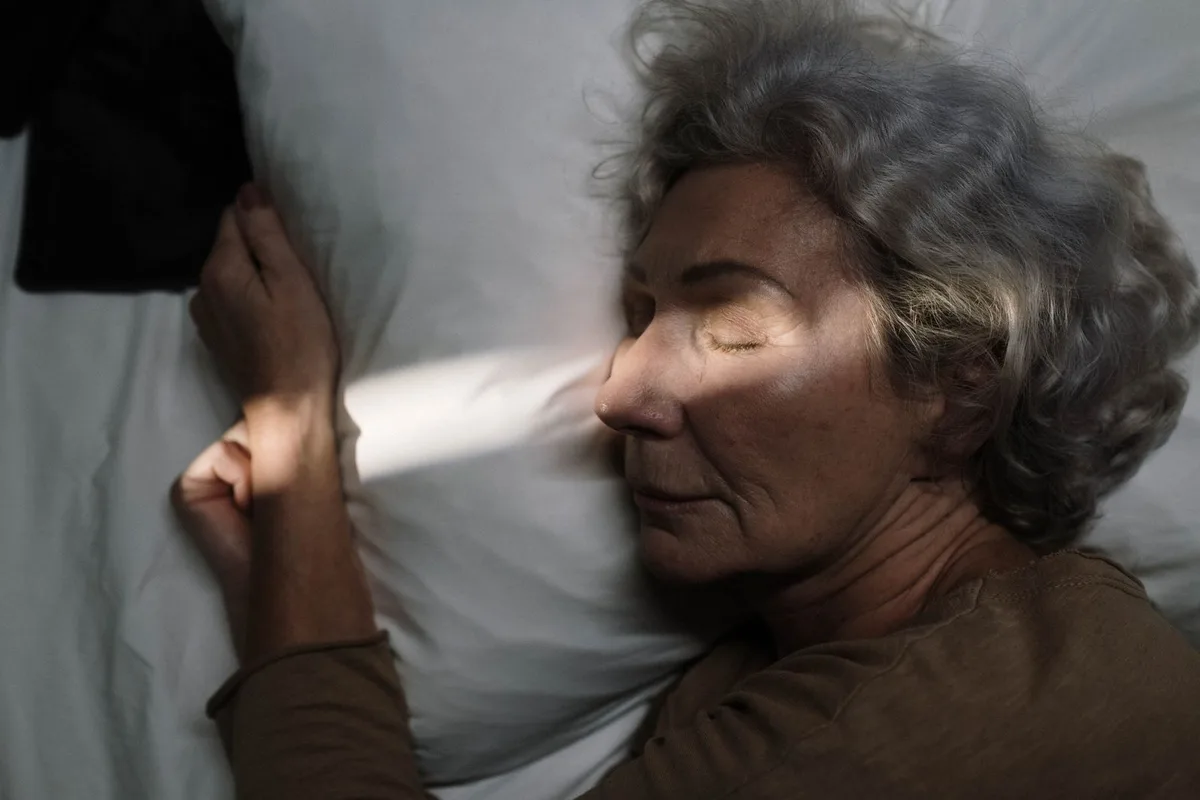
Maybe it started as a faint buzz in your toes at night. Or your feet feel like they are wrapped in thin cotton, even barefoot on a cold floor.
Those sensations have a name your doctor may use: peripheral neuropathy. It sounds technical, but the idea behind it is simple.
Insider Tip Peripheral neuropathy means the nerves outside your brain and spinal cord are not sending signals the way they should. It often starts in the feet, and finding the cause early gives you the best chance to protect the nerves you have.
Your nerves as wiring
Think of your peripheral nerves as the wiring that runs from your spine to your hands, feet and organs. Some nerves carry feeling, like touch, heat and pain. Some move your muscles. Others quietly run things like digestion, sweating and blood pressure.
When these nerves are damaged, messages get scrambled, weakened or lost. Because the longest nerves reach the toes, symptoms usually show up in the feet first, then may move up the legs and into the hands.
Common signs
- Tingling, pins and needles or a "fallen asleep" feeling
- Numbness, or feeling less heat, cold or pain
- Burning, stabbing or electric-like pain, often worse at night
- Feeling unsteady, especially in the dark
- Weak ankles or trouble gripping things
What causes it
In the United States, diabetes is the most common cause. Over time, high blood sugar can harm nerves and the small blood vessels that feed them.
Other causes include low vitamin B12, heavy drinking, an underactive thyroid, kidney disease, some infections, autoimmune conditions and certain medicines, including some used in cancer care. For some people, no clear cause is found.
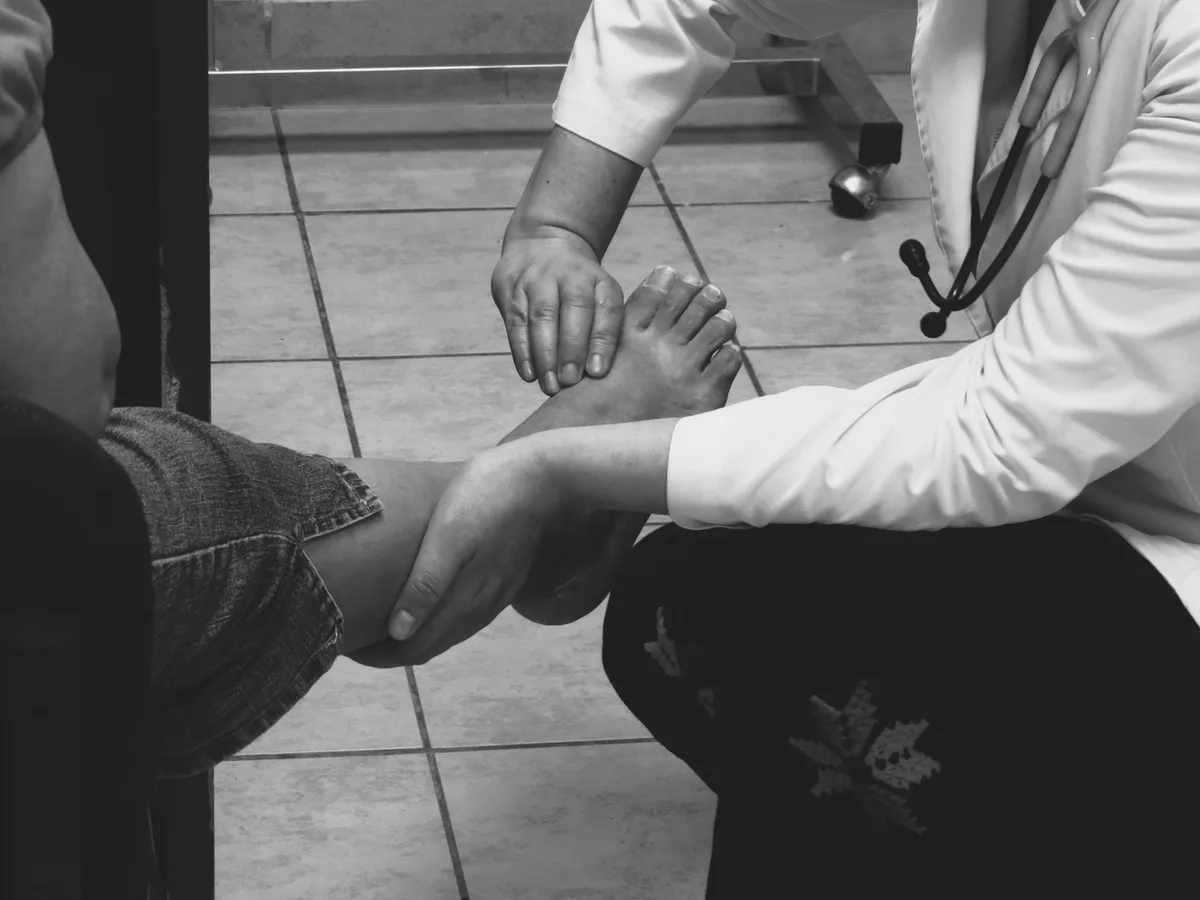
How doctors check
Your doctor will ask about your symptoms and look at your feet. They may test how well you feel a light touch or a vibrating tuning fork, and check your reflexes. Blood tests can look for diabetes, vitamin levels and thyroid problems. Sometimes a nerve test measures how fast signals travel.
Write down when your symptoms happen, where you feel them and what makes them better or worse. A short list helps your doctor more than a long story.
When to talk to your doctor
Make an appointment if numbness, tingling or burning lasts more than a few days or keeps coming back. Seek care quickly if symptoms come on suddenly, spread fast, or come with weakness, a foot sore that is not healing, or trouble walking.
Neuropathy is common, and you are not alone with it. The sooner you know the cause, the more you can do about it.
Our articles share general information, not medical advice. Numbness, tingling or burning can have many causes, so talk to your doctor about your symptoms and before changing your diet, exercise or supplements. NeuroDyne Insider is a reader magazine, not the official NeuroDyne store.