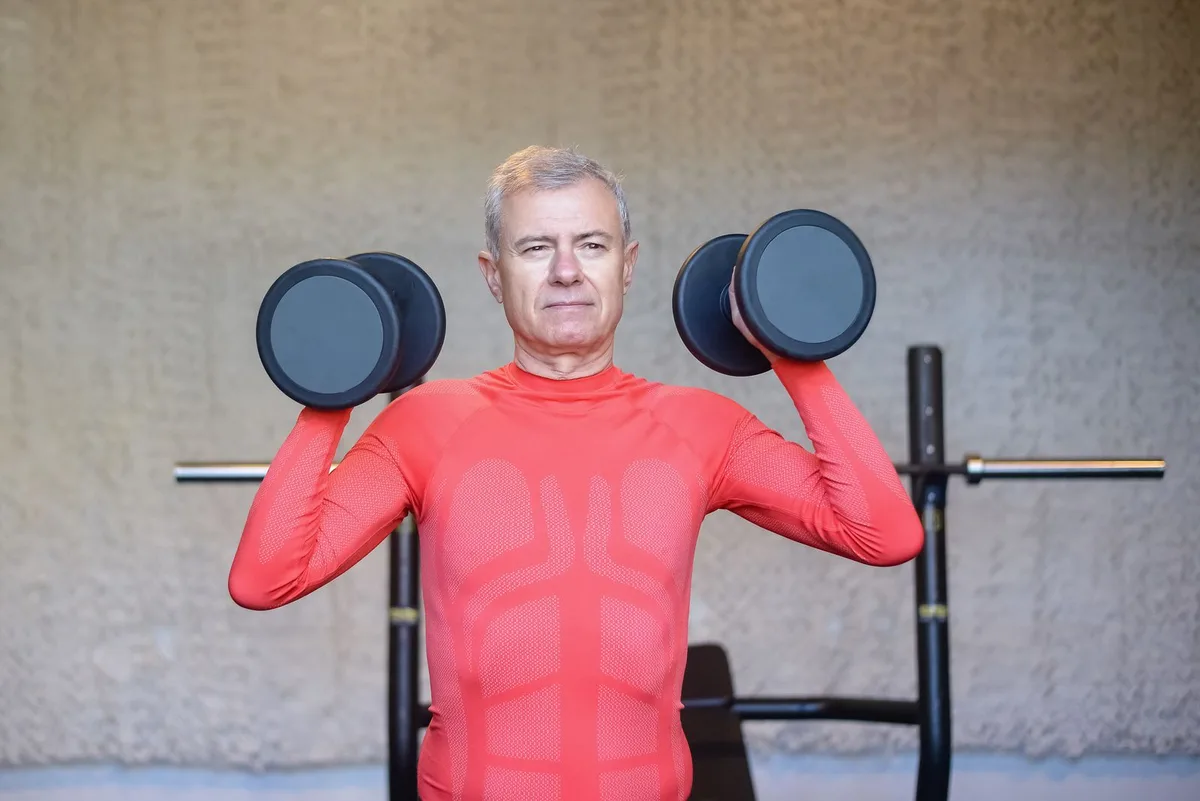
A composite story based on common reader experiences. It is illustrative, not about one real person.
Picture this: you are 60 and you have never lifted a weight in your life. You walk, you garden, you take the stairs when you remember. But getting up from a low chair takes a push from your hands now, and carrying groceries up the steps feels harder than it did a few years ago.
Someone tells you strength training could help. Your first thought is that it is for younger people.
Insider Tip It is not too late to build strength. Two short sessions a week with simple moves, started gently and increased slowly, can help you keep doing everyday tasks with more ease.
Why muscle matters more now
From midlife on, people tend to lose muscle gradually if they do not use it. That loss shows up in daily life: rising from a chair, carrying bags, keeping your balance. Health guidelines for adults, including older adults, recommend muscle-strengthening activity at least two days a week, along with regular movement like walking.
Stronger muscles also use sugar for fuel, which is one reason strength work is linked to healthier blood sugar.
The nervous start
The first session feels awkward. You do not know what to do with your hands, and you worry everyone is watching. Many people start at home instead, or book a session with a trainer who works with older adults.
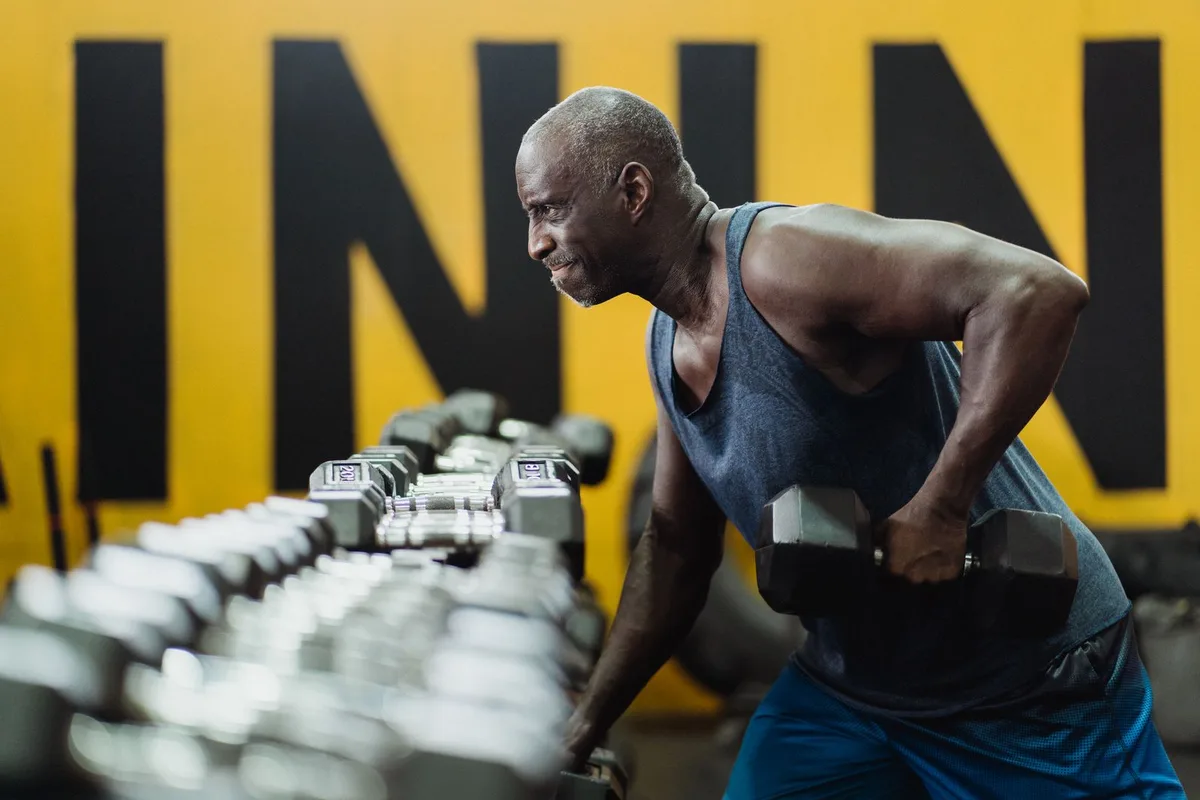
The beginner moves are simple:
- Sit to stand from a chair, without using your hands if you can
- Wall push-ups
- Step-ups on a low stair, holding the rail
- Light dumbbell or water bottle rows and presses
You do one or two sets of 8 to 12 slow repetitions, rest, and stop well before anything hurts.
Some muscle soreness a day or two after a new exercise is common. Sharp pain during a move is a signal to stop.
What tends to happen
The first two weeks bring soreness and doubt. By week four or five, the moves feel familiar and you add a little weight. Many people notice everyday wins first: the low chair is easier, the grocery bags feel lighter, the stairs are less of a thing.
When to talk to your doctor
If you have heart disease, high blood pressure, osteoporosis, joint replacements, a hernia or recent surgery, ask your doctor which exercises are safe before you start. Stop and seek help right away for chest pain, severe shortness of breath, dizziness or fainting.
Start with five sit to stands from your kitchen chair today. That counts.
Our articles share general information, not medical advice. Numbness, tingling or burning can have many causes, so talk to your doctor about your symptoms and before changing your diet, exercise or supplements. NeuroDyne Insider is a reader magazine, not the official NeuroDyne store.