Maybe it was your mother, a teacher or your spouse. Someone told you to stop cracking your knuckles or you would end up with arthritis.
If you are a lifelong knuckle cracker now watching your hands age, you may be wondering whether they were right.
The one takeaway Verdict: myth. There is no good evidence that cracking your knuckles causes arthritis. It may annoy the people around you, but painless cracking is not known to harm your joints.
What that popping sound is
Your finger joints sit in a capsule filled with a slippery fluid that keeps them moving smoothly. When you pull or bend a finger, the space inside the joint widens and the pressure drops.
That pressure change forms a gas bubble in the fluid, and that is the pop you hear. It takes about 20 minutes for the joint to be ready to crack again, which is why you cannot repeat it right away.
What the evidence says
Researchers have compared the hands of people who crack their knuckles with those who do not and found no higher rate of arthritis in the crackers. One doctor famously cracked the knuckles of only one hand for decades and found no difference in arthritis between his two hands.
Arthritis in the hands is common after 50, but it is driven by age, genes, past injuries and wear over time, not by the habit of cracking.
When the habit is worth a second look
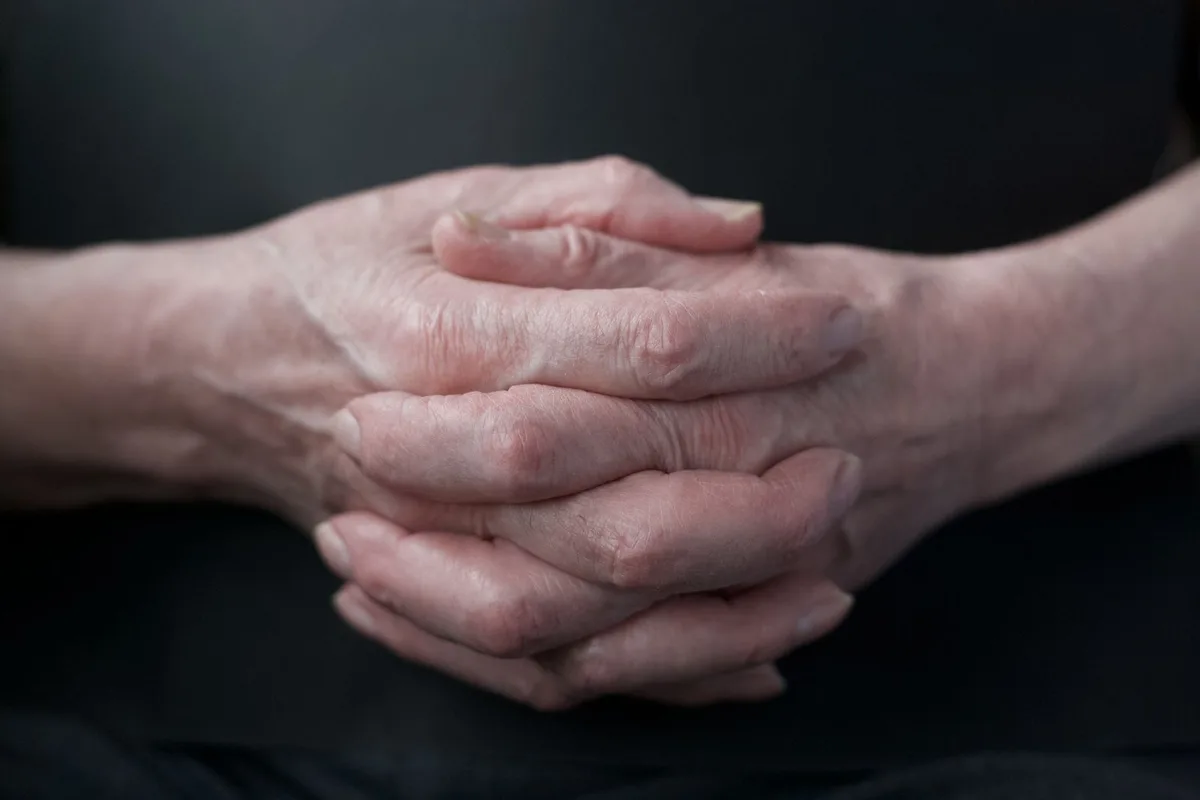
Cracking that comes with pain, swelling or a joint that catches or locks is a different story. That is not a habit problem; it may be a sign of an injury or a joint condition.
Forceful cracking, or cracking a joint that is already sore, is also best avoided.
If you crack your knuckles out of stiffness, try gentle hand stretches instead: open and close your fists slowly ten times, then spread your fingers wide.
When to talk to your doctor
See your doctor if a joint hurts when it pops, looks swollen or red, feels warm, or has lost movement. Morning stiffness in your hands that lasts more than 30 minutes, or ongoing pain in several finger joints, is also worth checking, since early care for arthritis can help protect your hands.
Your knuckle habit is not the villain it was made out to be. Listen to your hands, and pay attention to pain rather than the pop.
Our articles share general information, not medical advice. Numbness, tingling or burning can have many causes, so talk to your doctor about your symptoms and before changing your diet, exercise or supplements. NeuroDyne Insider is a reader magazine, not the official NeuroDyne store.