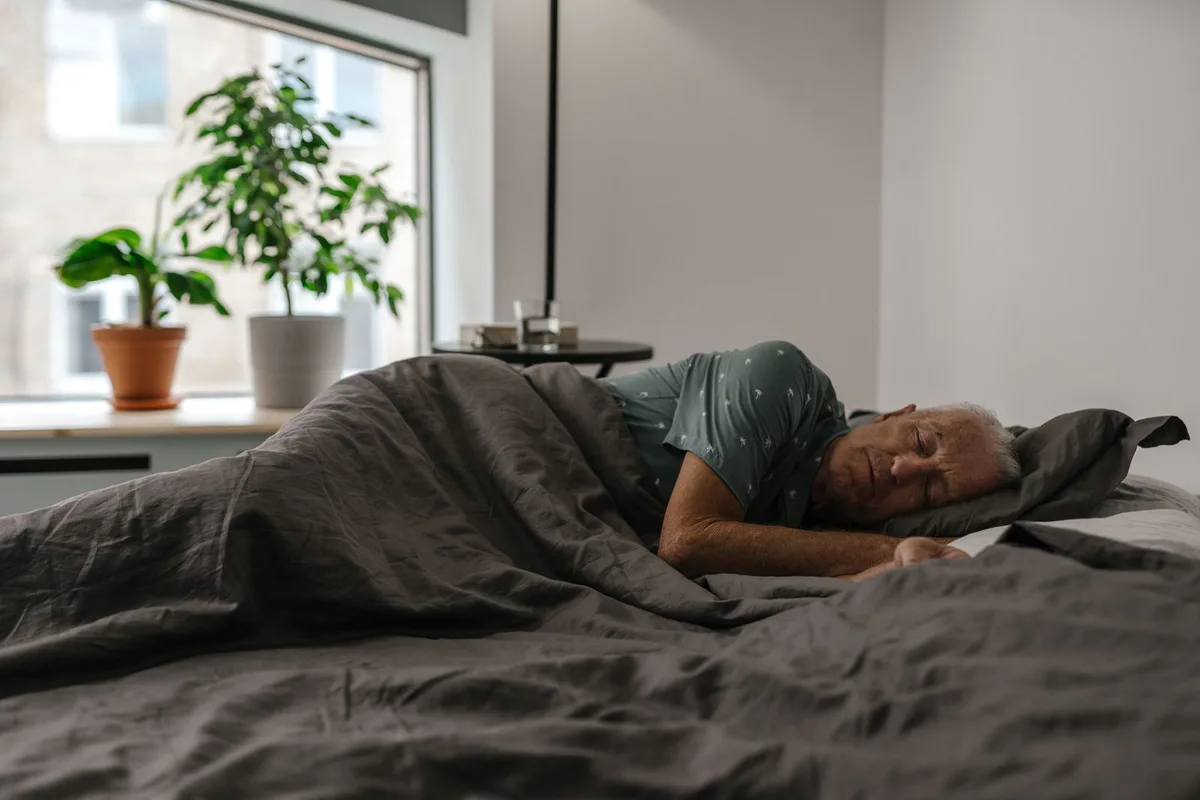
Many people over 60 find themselves wide awake at 5 a.m. and decide it must be normal. After all, everyone says older people need less sleep.
It is one of the most common sleep beliefs. It is also mostly wrong.
The one takeaway Verdict: mostly myth. Your sleep changes with age, becoming lighter and earlier, but your need for sleep stays about the same. Most adults over 65 still need around seven to eight hours a night to feel and function their best.
What really changes
Your sleep does look different as the years go by, and that is where the myth comes from.
- Your body clock shifts earlier, so you feel sleepy sooner and wake sooner.
- You spend less time in deep sleep and more in light sleep.
- You wake up more often during the night.
- Naps can become more tempting during the day.
These changes affect how you sleep, not how much sleep you need. Getting less sleep simply because it is harder to stay asleep is not the same as needing less.
Why short sleep is not harmless

Regularly sleeping too little is linked to poorer memory and focus, low mood, more falls and a higher risk of several long-term health problems. Feeling foggy, short-tempered or ready to nap by early afternoon is a sign you may not be getting enough.
Common sleep problems also become more frequent with age, including insomnia, sleep apnea and restless legs. Some medicines, pain and frequent trips to the bathroom can break up the night too.
Habits that may help
Work with your new body clock rather than against it. If you wake early, an earlier bedtime may give you the full night you need.
Get bright daylight in the morning, stay active during the day and keep naps short and before midafternoon. Limit caffeine after lunch and alcohol in the evening.
If you wake at 3 a.m. and cannot fall back asleep after about 20 minutes, get up and do something quiet in dim light until you feel sleepy again.
When to talk to your doctor
Tell your doctor if you snore loudly, stop breathing or gasp in your sleep, feel very sleepy during the day or have trouble sleeping most nights for weeks. Ask before taking sleep aids, since many can cause next-day grogginess and raise the risk of falls in older adults.
You have not outgrown your need for good sleep. You deserve a full night, and it is worth protecting.
Our articles share general information, not medical advice. Numbness, tingling or burning can have many causes, so talk to your doctor about your symptoms and before changing your diet, exercise or supplements. NeuroDyne Insider is a reader magazine, not the official NeuroDyne store.