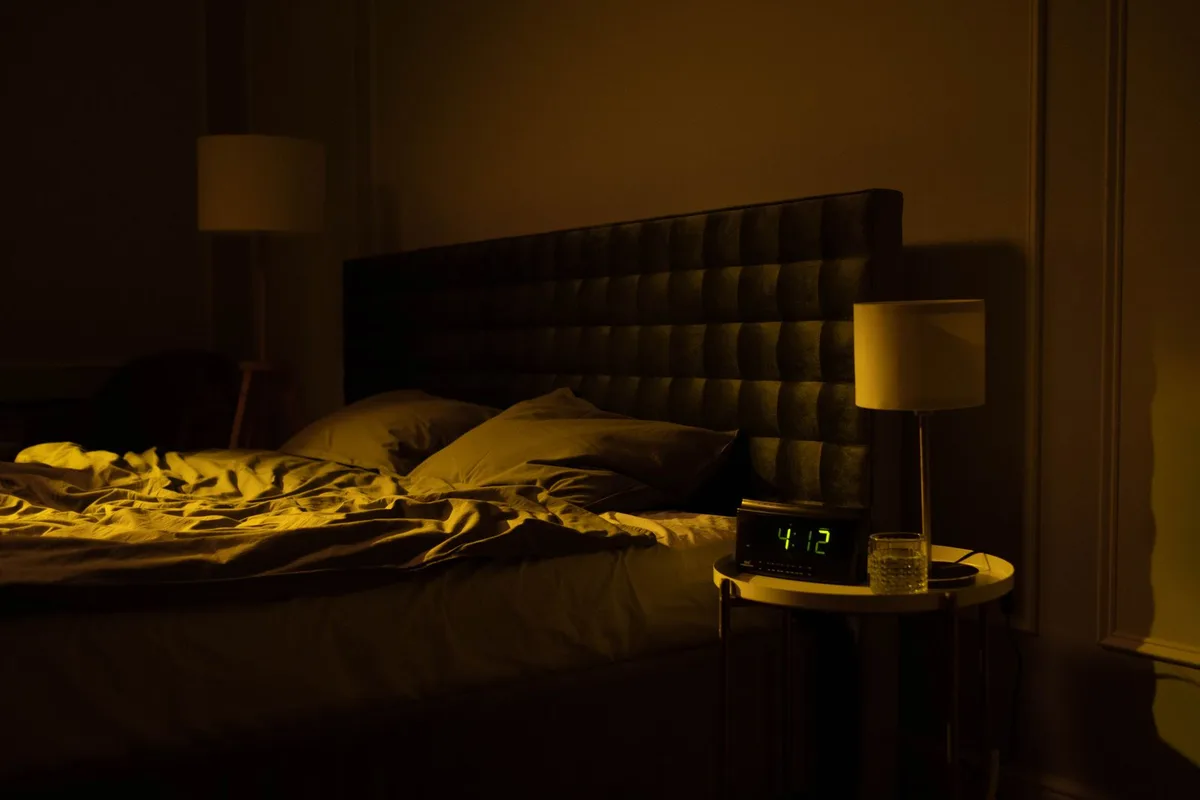
You fall asleep fine. Then at 1 a.m. you are up for the bathroom, and again at 4. By morning you feel like you never really slept.
Waking up to pee at night is one of the most common complaints in men over 50. The good news is that it usually has a few clear causes, and several are easy to work on.
The one takeaway Night-time trips to the bathroom usually come from a growing prostate, evening drinks and fluid that builds up in your legs during the day. Stop drinking two hours before bed and put your feet up in the evening.
The prostate grows with age
The prostate sits just below the bladder and wraps around the tube that carries urine out. In most men it slowly grows with age.
A larger prostate can squeeze that tube, so the bladder does not empty completely. A bladder that is never fully empty fills up faster, which means more trips at night.
Your body makes more urine at night
When you are younger, your body slows urine production at night. With age, that signal weakens, so your kidneys keep working while you sleep.
Evening habits make it worse. Coffee, tea and alcohol all make you produce more urine, and a big glass of water before bed adds directly to the total.
The ankle connection
During the day, fluid can collect in your lower legs, especially if you sit a lot. When you lie down, that fluid moves back into your blood and your kidneys turn it into urine.

Putting your feet up for an hour in the late afternoon or evening lets some of that fluid get processed before bed.
Try double voiding: pee, wait a minute, then try again before getting into bed.
When to talk to your doctor
See a doctor if you see blood in your urine, feel pain or burning, have a weak stream or strain to go, feel you cannot empty your bladder, or if the change came on suddenly. Loud snoring can also cause night-time urination, so mention it. Ask your doctor whether a prostate check makes sense for you.
A full night of sleep is worth a few small changes. Start with the last two hours before bed.
Our articles share general information, not medical advice. Numbness, tingling or burning can have many causes, so talk to your doctor about your symptoms and before changing your diet, exercise or supplements. NeuroDyne Insider is a reader magazine, not the official NeuroDyne store.