You can walk on flat ground just fine. Then you reach a flight of stairs, and your knee starts complaining with every step. Going down can feel even worse than going up.
Stairs are often the first place knee problems show themselves, because they ask a lot of the joint.
The one takeaway Stairs put several times your body weight through the knee, so they reveal problems that walking on flat ground hides. Stronger thigh and hip muscles, good technique and a handrail can make a real difference for most people.
Why stairs are harder on knees
Each step up asks your thigh muscles to lift your whole body while the knee is bent. Each step down asks them to control your weight as you lower, which puts extra pressure behind the kneecap.
That is why going down often hurts more than going up, and why weak thigh muscles show up so clearly on stairs.
Common causes after 50
- Knee osteoarthritis, the gradual wearing of cartilage, very common after 50
- Pain around or behind the kneecap, often linked to weak thigh and hip muscles
- An old injury, such as a meniscus tear
- Extra body weight, which multiplies the load on every step
Easier ways to take the stairs

Use the handrail every time. It takes load off your knee and protects you from falls.
Remember the old physical therapy saying: "up with the good, down with the bad." Lead with your stronger leg going up and with your sorer leg going down, one step at a time if you need to.
Place your whole foot on each step, not just your toes, and take your time.
Strength that helps
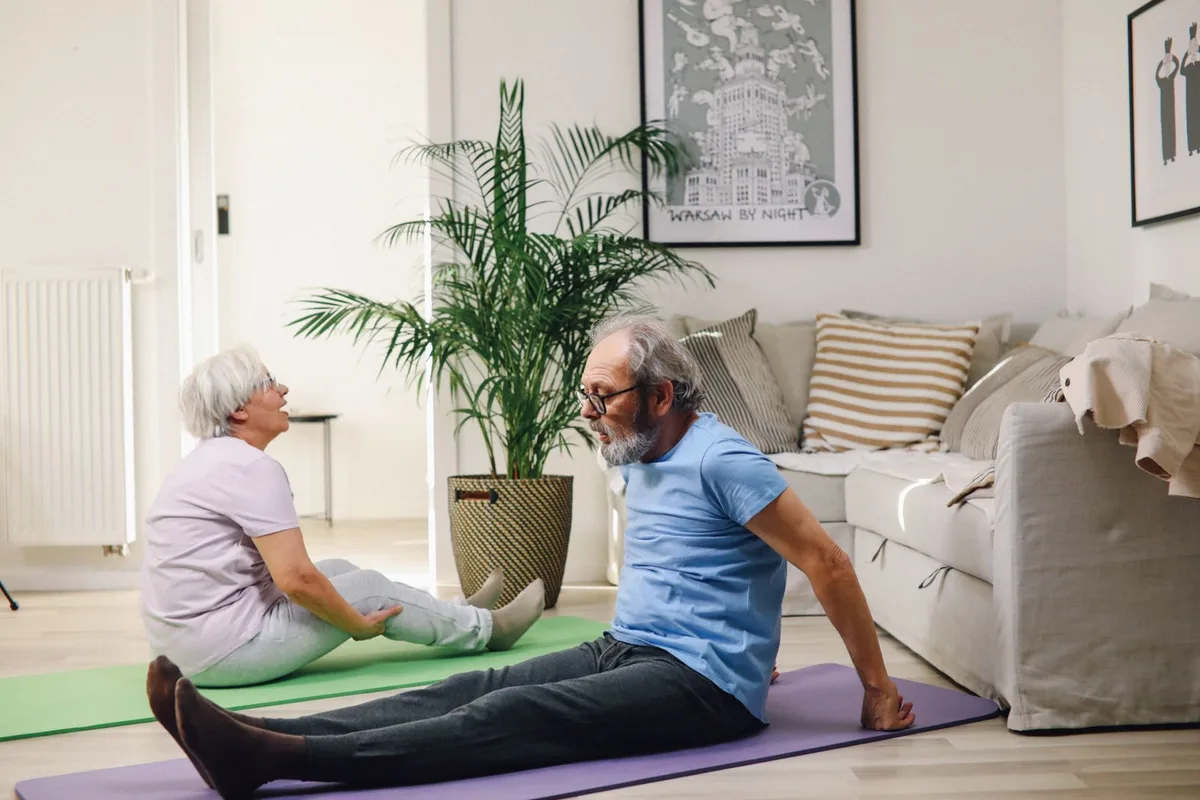
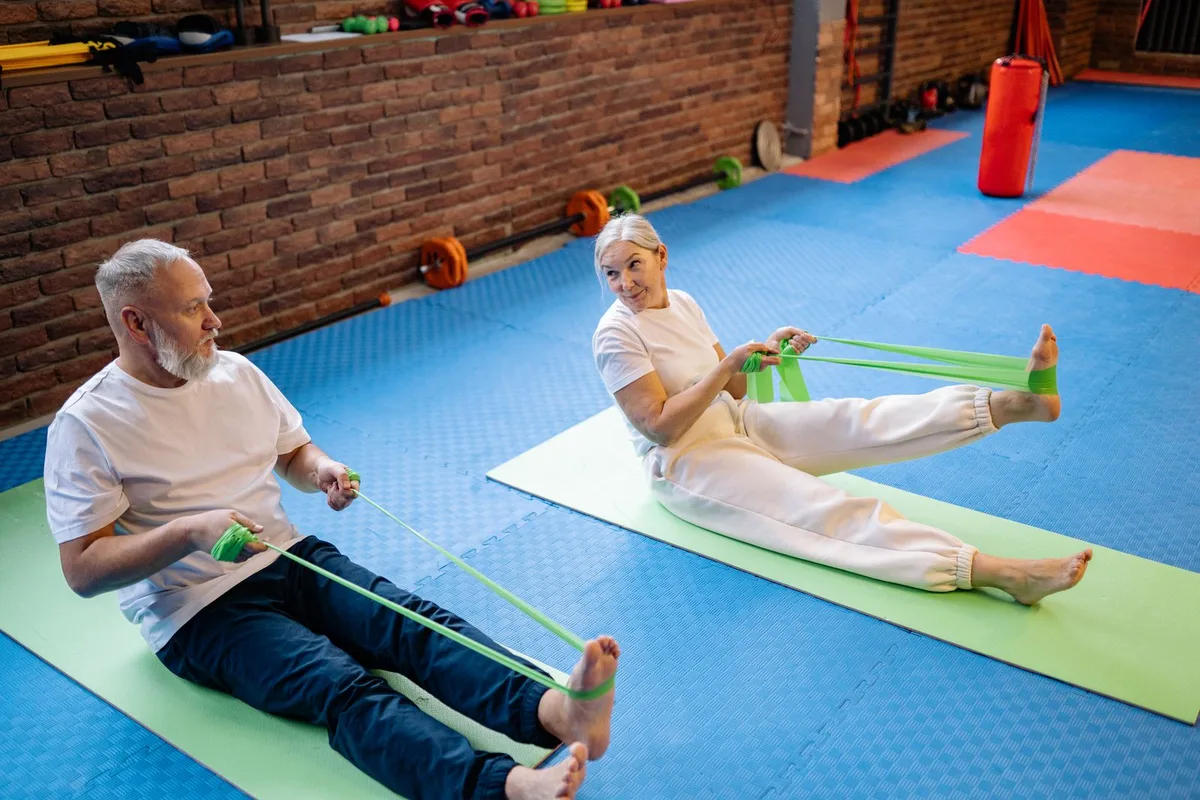
Strong thigh and hip muscles act like shock absorbers. Simple moves done most days may help: sit-to-stand from a chair, straight leg raises lying on your back and side-lying leg lifts. Start with a few and build up slowly.
Practice on the bottom step. Step up and down slowly ten times while holding the rail. It builds the exact strength stairs ask for.
When to talk to your doctor
See your doctor if your knee is swollen, red or warm, locks or gives way, or if pain keeps you from daily activities or wakes you at night. Get help promptly if you cannot put weight on the leg after a fall or injury. A physical therapist can design a program for your knee. Ask your doctor or pharmacist before taking pain relievers regularly.
Stairs do not have to be the enemy. With some strength and smart technique, many people find them easier again.
Our articles share general information, not medical advice. Numbness, tingling or burning can have many causes, so talk to your doctor about your symptoms and before changing your diet, exercise or supplements. NeuroDyne Insider is a reader magazine, not the official NeuroDyne store.