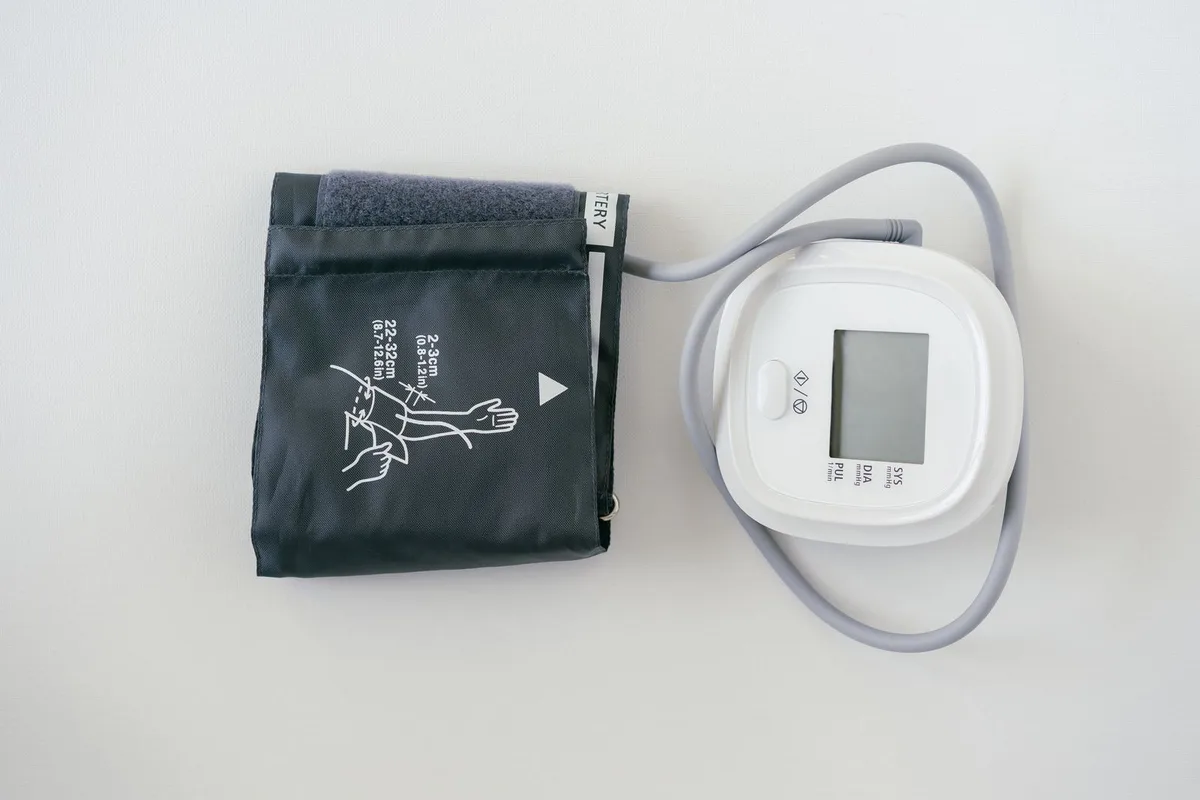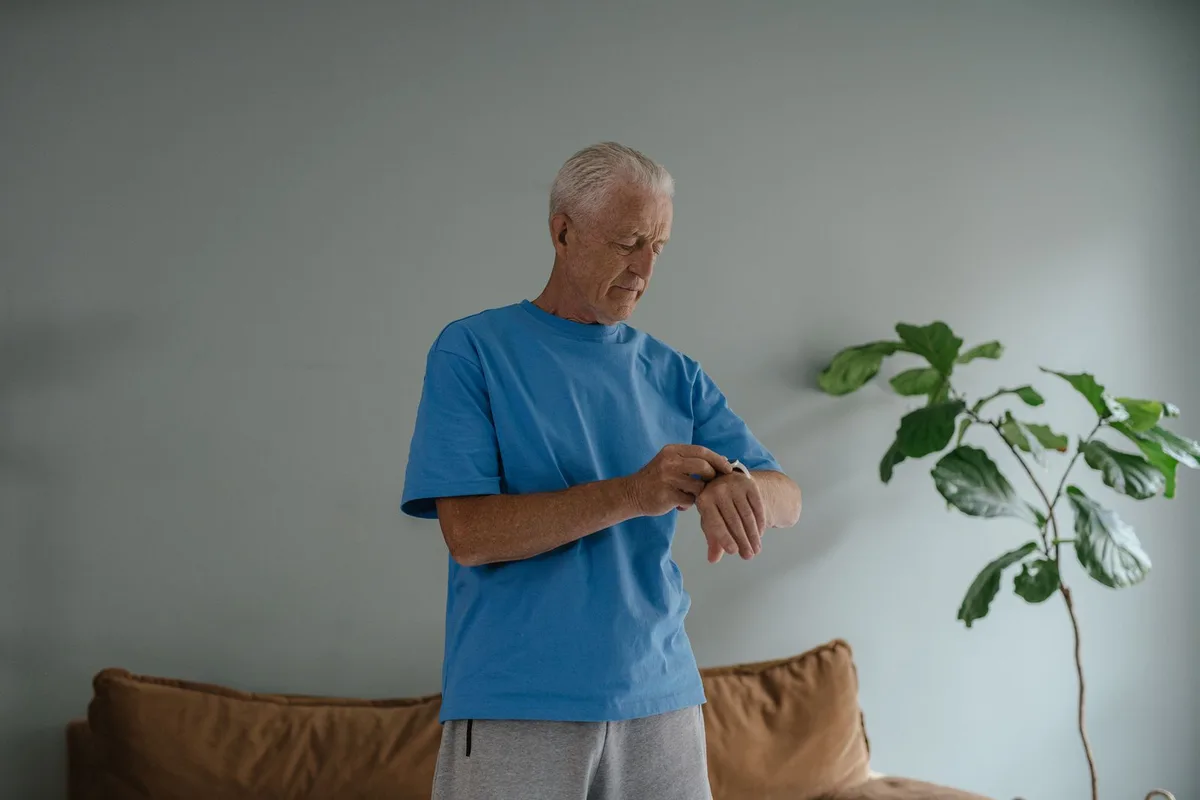
Your watch probably shows it every morning: resting heart rate. It is one of the easiest health numbers to track, and one of the most useful when you know what to look for.
It is simply how many times your heart beats per minute when you are fully at rest.
Insider Tip For most adults, a normal resting heart rate is 60 to 100 beats per minute. A lower number within that range usually reflects better fitness, and a rate that stays high or keeps creeping up is worth paying attention to.
How to measure it correctly
The best time is right after you wake up, before coffee and before you get out of bed. Find your pulse on the inside of your wrist or the side of your neck, count the beats for 30 seconds and double it. A wearable works too, but compare it with a manual count now and then.
Check it on several mornings and look at the average. One reading on its own tells you little.
What pushes it up or down
Regular aerobic exercise trains the heart to pump more blood with each beat, so it needs fewer beats at rest. That is why fit men often sit in the 50s or even lower.
Things that tend to raise it:
- Poor sleep, stress and dehydration
- Caffeine, nicotine and alcohol, especially the morning after
- Illness, fever or an overactive thyroid
- Carrying extra weight and being inactive
Some medicines, such as beta blockers, lower heart rate on purpose.
Why the trend matters

Research has linked a higher resting heart rate with a greater risk of heart problems over time. That does not mean a single high reading is dangerous. It means the direction of your number over weeks is more telling than any one day.
A sudden jump of 5 to 10 beats above your usual morning average is often an early sign you are run down, getting sick or overtraining. Take it as a cue to rest.
When to talk to your doctor
See your doctor if your resting rate is regularly above 100, or below 60 when you are not an athlete and you feel dizzy, faint, short of breath or unusually tired. Mention any fluttering, pounding or skipped beats. Call emergency services right away for chest pain, fainting or a racing heart with shortness of breath. Do not change any heart or blood pressure medicine on your own.
Your heart sends you a report every morning. It is worth reading.
Our articles share general information, not medical advice. Numbness, tingling or burning can have many causes, so talk to your doctor about your symptoms and before changing your diet, exercise or supplements. NeuroDyne Insider is a reader magazine, not the official NeuroDyne store.