You eat roughly what you always ate. You are not less disciplined than you were at 40. And yet the scale keeps creeping up, mostly around the middle.
This is one of the most common frustrations after 50, and the usual answer, eat less, often makes it worse. The real driver is something you barely notice: muscle.
The one takeaway After 50 you slowly lose muscle, and with it some of the energy your body burns every day. Protect your muscle with protein at every meal and a little strength work each week, instead of cutting food again and again.
The quiet loss you do not see
From midlife on, most people lose a few percent of their muscle every decade, and the pace picks up after 60. It happens so slowly that the mirror does not show it.
Muscle is busy tissue. It burns energy even while you sit, and it is the main place your body stores sugar after a meal. Less muscle means a lower daily burn and blood sugar that is harder to handle, so the same plate of food now tips you toward storing fat.
Why protein timing changes after 50
Older muscles respond less to small amounts of protein. Researchers call this anabolic resistance, which simply means your muscles need a bigger signal to rebuild.
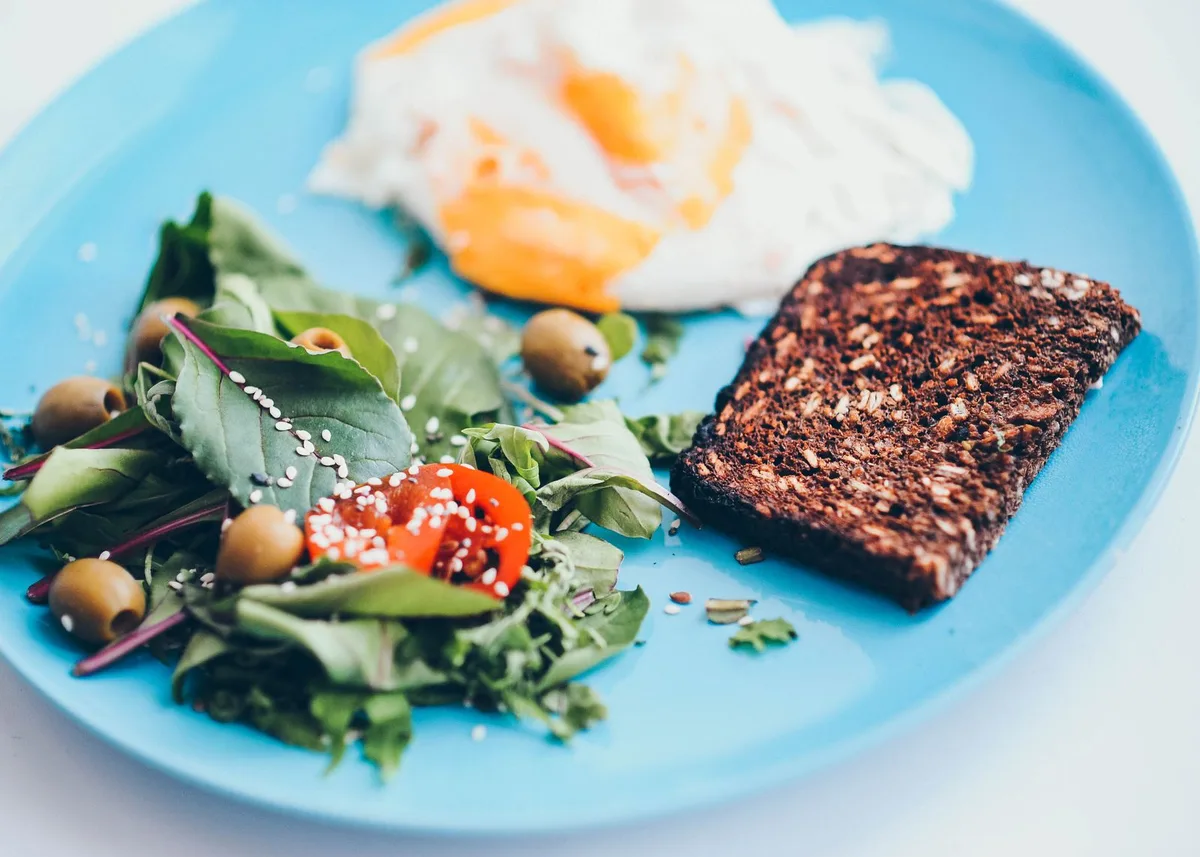
Most people eat a little protein at breakfast and a lot at dinner. Around 25 to 30 grams at each meal works better. Three eggs, a cup of Greek yogurt or a palm-sized piece of chicken or fish each get you most of the way there.
Muscle still answers at any age
In a well-known study, nursing home residents in their late eighties and nineties did simple strength training for about eight weeks and more than doubled their leg strength. Your body still listens.
You do not need a gym. Chair stands, wall push-ups and carrying the grocery bags all count. Two or three short sessions a week are enough to start.
Measure your waist once a month, not only your weight. As muscle grows and fat shrinks, the tape often moves before the scale does.
When to talk to your doctor
Check with your doctor before starting strength training if you have heart, joint or balance problems. See them sooner if your weight changes quickly without a clear reason, or if you also feel very tired, cold or thirsty all the time.
Weight after 50 is less about willpower and more about what your body is made of. Feed your muscles, use them a little, and give it a few months.
Our articles share general information, not medical advice. Numbness, tingling or burning can have many causes, so talk to your doctor about your symptoms and before changing your diet, exercise or supplements. NeuroDyne Insider is a reader magazine, not the official NeuroDyne store.